

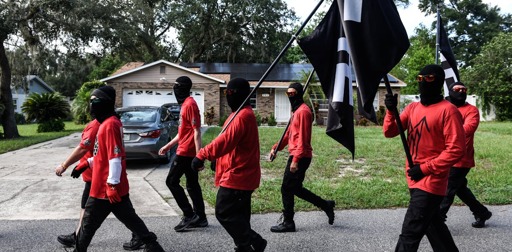
How can society police the global spread of online far-right extremism while still protecting free speech? That’s a question policymakers and watchdog organizations confronted as early as the 1980s and ’90s – and it hasn’t gone away.
Decades before artificial intelligence, Telegram and white nationalist Nick Fuentes’ livestreams, far-right extremists embraced the early days of home computing and the internet. These new technologies offered them a bastion of free speech and a global platform. They could share propaganda, spew hatred, incite violence and gain international followers like never before.
“Before the Internet” in a headline and then 2 paragraphs later “using the Internet”. Bravo.

And confusing “the Internet” with the http protocol shows a total lack of basic knowledge and also a wonderful teaching moment to incorporate into your article. Missed opportunity in a race to crank out drivel and get some AI seo traffic.
It’s usually called the Web though, not http as only one of the technical details involved.
